
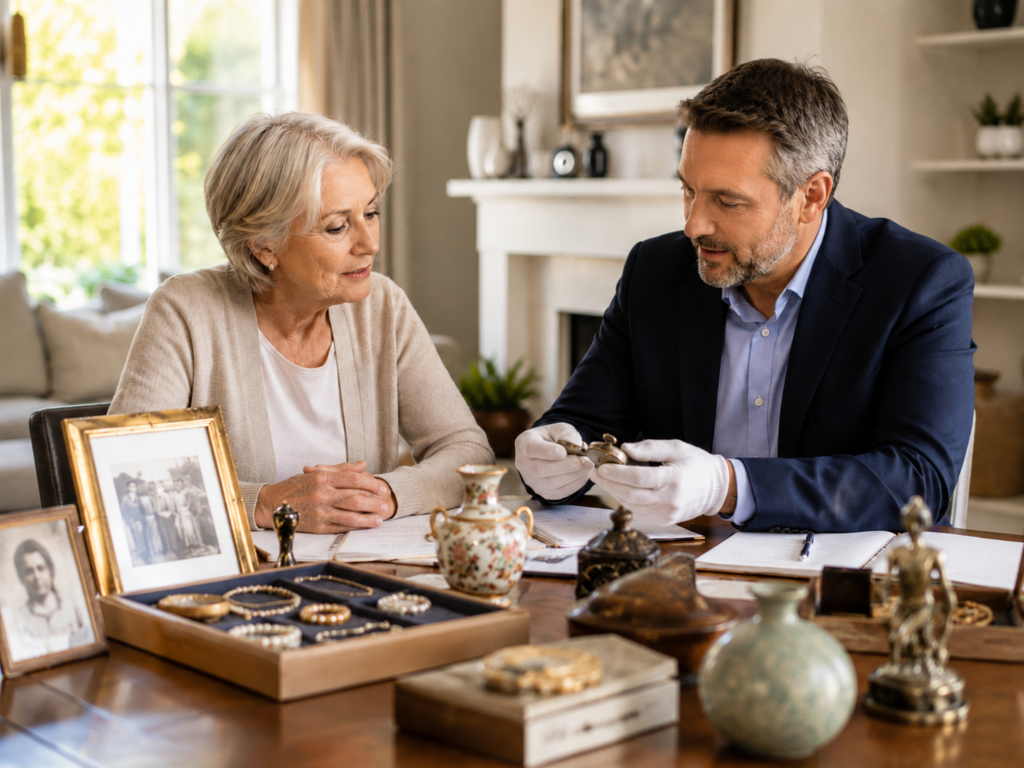
One of the hardest parts of managing an estate is deciding what should be kept, sold, donated, recycled, or discarded.
Some household items have meaningful resale value. Others may appear valuable but have little buyer demand. Many ordinary possessions are worth less than families expect, while certain overlooked items can deserve a closer review.
The goal is not to assign a price to everything in the home. It is to identify the categories most likely to justify additional research, specialist review, or a practical sales effort before the property is cleared.
Start With the Family’s Priorities
Before evaluating individual items, decide what the family is trying to accomplish.
Common priorities include:
- Preserving valuable or sentimental belongings
- Recovering reasonable value from household contents
- Completing the estate transition quickly
- Reducing the family’s workload
- Avoiding unnecessary storage
- Preparing the property for sale
- Coordinating the process from another state
- Balancing financial recovery with simplicity
A family focused on maximizing proceeds may choose a different sales strategy than one working under a short deadline.
Trying to sell every item individually can delay the entire project. A practical approach focuses on belongings whose likely value justifies the time, expense, and coordination required to sell them.
Do Not Judge Value by Age Alone
An old item is not automatically valuable.
Resale value depends on factors such as:
- Maker or brand
- Age
- Condition
- Rarity
- Material
- Completeness
- Provenance
- Current demand
- Local market interest
- Cost of transportation
- Selling fees
- Availability of qualified buyers
Some newer designer items may sell more readily than older antiques. Certain collectibles that were popular years ago may have limited demand today.
Online asking prices are also not the same as completed sale prices. An item listed for a high amount may remain unsold for months.
Protect Important Items Before the Cleanout
Before removing anything from the property, set aside belongings that may require family or specialist review.
Create a clearly marked area for:
- Legal and financial documents
- Jewelry
- Coins and currency
- Family photographs
- Artwork
- Antiques
- Collectibles
- Sterling silver
- Watches
- Military memorabilia
- Designer goods
- Musical instruments
- Rare books
- Valuable tools
- Digital devices
- Family heirlooms
Do not allow these items to become mixed with donation or disposal materials.
Jewelry and Watches
Jewelry is one of the most important categories to review carefully.
Potentially valuable items may include:
- Gold jewelry
- Platinum jewelry
- Sterling silver jewelry
- Diamond rings
- Gemstone pieces
- Vintage or antique jewelry
- Designer jewelry
- Luxury watches
- Pocket watches
- Signed pieces
- Broken precious-metal jewelry
Even damaged jewelry may have value based on its metal content, stones, brand, or age.
Look for maker’s marks, purity stamps, signatures, and original boxes or paperwork.
A qualified jeweler, estate buyer, or appraiser may be appropriate when the family is unsure what an item contains or how it should be sold.
Costume jewelry may also have value when it is signed, vintage, designer-made, or part of a collectible series.
Coins, Currency, and Precious Metals
Coin collections should not be deposited, spent, or sold as ordinary change before review.
Potentially valuable categories include:
- Gold coins
- Silver coins
- Rare-date coins
- Proof sets
- Mint sets
- Foreign coins
- Commemorative coins
- Old paper currency
- Silver certificates
- Precious-metal bullion
- Collectible tokens
- Military or historical currency
Condition, rarity, mint marks, and metal content can significantly affect value.
Do not clean coins. Cleaning may permanently reduce their collector value.
Keep any labels, holders, invoices, albums, or written collection notes with the coins.
Artwork
Artwork can be difficult to evaluate without research.
Items that may deserve closer review include:
- Signed paintings
- Original drawings
- Limited-edition prints
- Sculptures
- Regional artwork
- Works by listed artists
- Antique frames
- Studio pottery
- Folk art
- Photography
- Original illustrations
Look for signatures, labels, gallery information, inscriptions, certificates, or purchase receipts.
The frame itself may have value even when the artwork does not.
Avoid assuming that a large or old painting is valuable. Many decorative works have limited resale demand, while a smaller signed piece may be more important.
A qualified art appraiser, auction house, gallery, or specialist may be appropriate when the artist or origin is unclear.
Antiques
Antiques are often overestimated because age alone does not create value.
Potentially worthwhile categories include:
- Period furniture
- Early American furniture
- Decorative arts
- Antique clocks
- Historical documents
- Quality ceramics
- Art glass
- Sterling silver
- Early lighting
- Advertising items
- Folk art
- Architectural salvage
- Unusual regional items
Condition and buyer demand matter significantly.
Large antique furniture can be difficult to sell because transportation is expensive and modern buyers may prefer smaller or more contemporary pieces.
Before investing heavily in restoration, determine whether the work is likely to improve the item’s net value.
Furniture
Furniture should be evaluated realistically.
Items more likely to sell may include:
- Quality solid-wood furniture
- Recognizable designer pieces
- Mid-century modern furniture
- Vintage office furniture
- High-end contemporary furniture
- Complete dining sets in good condition
- Antique pieces with documented significance
- Leather furniture in excellent condition
- Well-maintained bedroom sets
- Unique regional or handcrafted pieces
Items that may be difficult to sell include:
- Heavily worn upholstered furniture
- Large entertainment centers
- Damaged particleboard furniture
- Strongly dated mass-produced pieces
- Smoke-damaged furniture
- Pet-damaged furniture
- Incomplete sets
- Oversized items with difficult access
Even good furniture may have limited resale value when pickup, storage, and transportation are difficult.
Measure large items and photograph their condition before offering them for sale.
Sterling Silver and Silverplate
Sterling silver should be separated from ordinary silver-colored household items.
Potentially valuable pieces include:
- Flatware
- Serving trays
- Bowls
- Tea sets
- Candlesticks
- Hollowware
- Decorative objects
- Antique serving pieces
Look for markings such as:
Sterling925- Maker’s marks
- Hallmarks
Silverplate generally has less metal value, but certain makers, patterns, or antique pieces may still be collectible.
Do not discard damaged sterling items. They may retain value based on metal content.
Collectibles
Collections can have value, but demand changes over time.
Categories worth reviewing may include:
- Vintage toys
- Trains
- Dolls
- Sports memorabilia
- Comic books
- Trading cards
- Stamps
- Advertising signs
- Military items
- Records
- Vintage cameras
- Model cars
- Holiday collectibles
- Political memorabilia
- Autographs
- Historical souvenirs
- Figurines
- Glassware
- Pottery
- Pins and badges
Keep collections organized whenever possible.
Original packaging, documentation, receipts, and complete sets may improve resale potential.
Do not assume a large collection will sell better as one lot. Sometimes individual pieces matter; other times a bulk sale is more practical.
Books and Printed Materials
Most ordinary used books have limited resale value, but some deserve closer review.
Potentially valuable categories include:
- First editions
- Signed books
- Rare books
- Limited editions
- Fine bindings
- Local-history books
- Genealogy materials
- Military histories
- Early maps
- Antique atlases
- Original manuscripts
- Historical newspapers
- Specialized reference books
- Out-of-print technical books
Condition, edition, completeness, and author matter.
Old encyclopedias, common book-club editions, and damaged mass-market books generally have little resale demand.
Check books for hidden documents, photographs, letters, and cash before donating them.
Musical Instruments
Musical instruments can retain meaningful value.
Examples include:
- Guitars
- Violins
- Banjos
- Brass instruments
- Woodwinds
- Pianos
- Amplifiers
- Vintage electronic instruments
- Percussion equipment
- Recording gear
Brand, age, condition, originality, and repair needs affect value.
Keep cases, bows, accessories, serial-number information, and purchase records with the instrument.
Large instruments such as pianos may have value but can be expensive to move. Transportation cost should be considered when evaluating the likely return.
Tools and Equipment
Tools are frequently overlooked during estate cleanouts.
Potentially saleable categories include:
- Professional power tools
- Woodworking equipment
- Mechanic’s tools
- Welding equipment
- Lawn equipment
- Commercial tools
- Vintage hand tools
- Shop cabinets
- Air compressors
- Generators
- Farm equipment
- Specialized trade tools
Recognizable brands, complete sets, working condition, and accessories may improve resale potential.
Do not plug in or test unfamiliar equipment unless it is safe to do so.
Fuel, chemicals, blades, batteries, and compressed-gas equipment may require special handling.
Vehicles and Recreational Equipment
Vehicles and equipment may represent some of the estate’s largest assets.
Possible categories include:
- Cars
- Trucks
- Motorcycles
- Boats
- Trailers
- Recreational vehicles
- Golf carts
- Tractors
- ATVs
- Snowmobiles
- Riding mowers
Locate:
- Titles
- Keys
- Registration
- Maintenance records
- Manuals
- Receipts
- Loan information
Confirm legal ownership before advertising or transferring the item.
Condition, mileage, storage history, and local demand will influence value.
Designer Clothing and Accessories
Most ordinary clothing has limited resale value, but certain items may be worthwhile.
Look for:
- Designer handbags
- Luxury shoes
- High-end coats
- Vintage clothing
- Fine leather goods
- Designer scarves
- Jewelry
- Limited-edition accessories
- Western wear
- Specialty uniforms
- Rare sportswear
Condition, authenticity, size, style, and brand matter.
Original boxes, dust bags, receipts, and authenticity cards can help support resale.
Avoid mixing high-end items into ordinary clothing donations before review.
Military and Historical Items
Military belongings may have both financial and family significance.
Potential categories include:
- Medals
- Uniforms
- Insignia
- Pins
- Documents
- Photographs
- Field equipment
- Maps
- Letters
- Trench art
- Unit memorabilia
- Presentation items
Some items may be historically important even when their resale value is modest.
Keep related records together. Provenance and documentation can greatly affect interest.
Family members may wish to retain these items regardless of market value.
Firearms
Firearms require careful legal and safety handling.
Before moving, transferring, or selling a firearm:
- Do not assume it is unloaded
- Keep unauthorized individuals away
- Locate serial numbers and records
- Identify the legal owner
- Confirm applicable federal, state, and local requirements
- Consult an appropriately licensed firearms dealer or attorney where necessary
Ammunition should be handled separately.
Great Lakes Estate Co. does not buy, sell, transport, or appraise firearms. We can help identify the need for an appropriate licensed referral.
Electronics
Most ordinary electronics depreciate quickly, but some may retain value.
Potentially saleable items include:
- Recent computers
- Tablets
- Smartphones
- Gaming systems
- Cameras and lenses
- Audio equipment
- Vintage stereo equipment
- High-end televisions
- Professional recording gear
- Collectible vintage electronics
Before sale or donation:
- Back up important data
- Remove memory cards
- Sign out of accounts
- Perform an appropriate factory reset
- Remove passwords
- Verify that family photographs and documents have been saved
Do not discard old computers or phones before confirming whether they contain estate or family information.
China, Crystal, and Glassware
These categories often carry sentimental value but may have inconsistent resale demand.
Potentially desirable items may include:
- Recognizable makers
- Complete sets
- Discontinued patterns
- Art glass
- Signed pieces
- Sterling-mounted items
- Antique ceramics
- Studio pottery
- Rare serving pieces
Ordinary mass-produced china may be difficult to sell even when it originally cost a significant amount.
Shipping fragility and buyer demand should be considered.
Household Items That Often Sell Better in Groups
Some belongings are more practical to sell as grouped lots rather than individually.
Examples include:
- Kitchen equipment
- Tools
- Books
- Holiday décor
- Craft supplies
- Gardening supplies
- Office supplies
- Garage contents
- Clothing
- Small appliances
- Outdoor furniture
- General household goods
Grouped sales may reduce labor, buyer appointments, and unsold inventory.
The goal should be practical recovery rather than maximizing the price of every item.
Items That Often Have Limited Resale Value
Although every property is different, the following frequently produce less value than families expect:
- Used mattresses
- Heavily worn sofas
- Damaged particleboard furniture
- Common glassware
- Ordinary dishes
- Older televisions
- Outdated computers
- Large entertainment centers
- Common paperback books
- Used linens
- Incomplete furniture sets
- Heavily personalized décor
- Damaged holiday decorations
- Smoke- or pet-damaged belongings
These items may still be appropriate for donation, recycling, or disposal depending on condition and local acceptance.
When Specialist Review Is Appropriate
A specialist may be worth contacting when:
- The maker or artist is unknown
- The item has a signature or hallmark
- The collection appears organized or documented
- The family has purchase receipts
- The item is made of precious metal
- The item may be historically significant
- There are rare or unusual characteristics
- The family believes the item has substantial value
- An appropriate market is difficult to identify
- Insurance or estate reporting requires documentation
Possible specialists include:
- Appraisers
- Auctioneers
- Jewelers
- Coin dealers
- Art specialists
- Antique dealers
- Firearms dealers
- Book dealers
- Vehicle specialists
- Collectibles experts
Not every item requires a formal appraisal. In many cases, a practical market review or specialist referral is sufficient.
Choose the Right Sales Channel
Different items require different sales methods.
Estate Sale
May work well for a large quantity of household goods that can be sold from the property.
Online Auction
Can attract broader buyer interest and may work well for collections or mixed estate contents.
Consignment
May be appropriate for furniture, designer goods, jewelry, or specialized items.
Marketplace Listings
Useful for selected furniture, tools, equipment, and local-pickup items.
Specialty Auction House
May be appropriate for art, antiques, coins, jewelry, or specialized collections.
Direct Buyer
May offer speed and simplicity but often at a lower price.
Dealer or Bulk Sale
Useful when the family prioritizes convenience and fast removal.
The right choice depends on expected value, volume, fees, timeline, pickup logistics, and the family’s priorities.
Consider Net Value, Not Just Selling Price
A sale is only worthwhile when the return justifies the work.
Consider:
- Listing fees
- Auction commissions
- Consignment percentages
- Photography
- Research time
- Buyer messages
- Appointments
- Transportation
- Shipping
- Storage
- Insurance
- Pickup coordination
- Unsold items
- Delays to the property project
An item that sells for $100 may not produce much practical value if it requires hours of work, several appointments, storage, and delivery.
The best decision often balances recovery, time, and simplicity.
Avoid Common Mistakes
Try to avoid:
- Donating everything without review
- Assuming every antique is valuable
- Cleaning coins
- Separating collections from their documentation
- Throwing away original boxes or receipts
- Selling jewelry without understanding the metal or stones
- Relying only on online asking prices
- Allowing buyers into the home without a plan
- Trying to sell every low-value item individually
- Storing items indefinitely without a sales strategy
- Discarding electronics before checking for data
- Removing family keepsakes while focusing only on resale value
A careful review should protect both financial and sentimental value.
Create a Practical Review Process
A useful process is:
- Protect important documents and keepsakes.
- Separate items that may have value.
- Group similar categories together.
- Photograph important items.
- Identify signatures, brands, labels, and serial numbers.
- Keep related documentation with each item.
- Determine which items justify research.
- Obtain specialist input when appropriate.
- Select practical sales channels.
- Set a deadline for unsold items.
- Move remaining approved belongings to donation, recycling, or disposal.
This approach prevents the property from remaining tied up indefinitely.
Great Lakes Estate Co. Can Help Coordinate the Process
Great Lakes Estate Co. helps families review household contents and identify practical disposition options before a cleanout begins.
Support may include:
- Estate organization and sorting
- Personal-property review
- Identification of items that may warrant specialist referral
- Estate sale coordination
- Online auction coordination
- Marketplace management
- Buyer communication
- Pickup coordination
- Donation planning
- Recycling and disposal
- Final estate cleanout
- Local support for out-of-state families
We do not provide formal appraisals. When specialized valuation is needed, we coordinate with appropriately qualified professionals.
Start With a Free Consultation
You do not need to know which items are valuable before contacting us.
During a free consultation, we will learn about the property, household contents, family needs, and timeline. From there, we can help identify the most appropriate next step and determine which Great Lakes Estate Co. services may be useful.